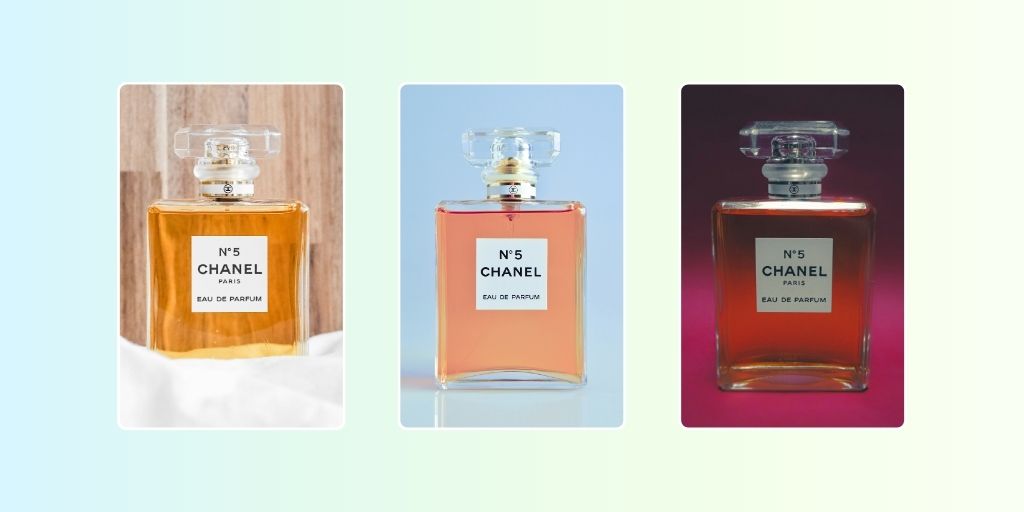
Product photography backgrounds are never just the background. They influence the look and feel of the product to collectively determine your brand experience.
According to recent data, 93% of consumers consider visual appearance the key deciding factor in purchasing decisions, making your background choice more critical than ever.
Now, with short attention spans, AI-assisted creativity, and the demand for consistent brand visuals, backgrounds are evolving as well.
This guide breaks down the essential types of product photography backgrounds and reveals 9 trending backdrop ideas that top eCommerce brands are using.
Let’s dive into the article right away.
Table of Contents
4 Types of Product Photography Backgrounds
Seamless Paper Backgrounds
Seamless paper remains the studio workhorse for professional product photography. These are wide rolls that create infinity curves from the wall to the floor without visible lines.
The matte finish eliminates unwanted reflections. And because you can dispose of the sheet after a shoot means you’re always working with clean surfaces.
Professional photographers stock multiple seamless paper colors like white, black, and gray, serving as foundational options. For high-volume product photography, this backdrop type delivers consistency across thousands of SKUs while maintaining cost efficiency.
Best used for:
- Consistent lighting with minimal shadows
- Easy color swaps for brand alignment
- Perfect for AI cutouts and automation workflows
Muslin and Fabric Backdrops
If you want to have some feel and texture behind your product, muslin and fabric backdrops are a great option.
These reusable options work exceptionally well for lifestyle product photography where subtle texture enhances the scene, rather than distracting.
Furthermore, for variety, hand-painted muslin backdrops produce amazing results, especially in food and jewelry photography, introducing organic variations.
Most popularly, photographers use cotton muslin, which offers superior wrinkle-resistance compared to polyester blends. Even though both materials fold compactly for storage.
Best used for:
- Handmade or artisanal products
- Fashion accessories and lifestyle items
- Editorial-style product shoots
Vinyl and Canvas Options
Vinyl product photography backgrounds dominate when durability meets demand. These are waterproof and wrinkle-resistant backdrops that can handle messy products and outdoor shoots easily.
Canvas-backed vinyl combines the best attributes. The canvas removes any kind of glare, whereas vinyl makes it easy to clean the surface.
The real power of vinyl and canvas lies in printed versatility. You’ll find these materials serving as wood grain surfaces, marble textures, and concrete aesthetics.
For brands shooting across locations, rollable vinyl backgrounds travel easily and set up in minutes.
Best used for:
- Wrinkle-resistant
- Durable for high-volume shoots
- Consistent texture across sessions
AI-Generated Background
AI-generated backgrounds are no longer experimental. In 2026, they will be mainstream and part of the product photography workflow.
As more AI tools are becoming consumer-facing, eCommerce brands and photographers are utilizing them to create plain backgrounds, campaign-based backgrounds, lifestyle backgrounds, and more.
Early adopters of AI photography report 60% reduction in costs while maintaining consistent product lighting across all backdrop variations.
There are various tools for product photography backgrounds, and it’s best to A/B test them for your own requirements.
Best used for:
- Infinite variations without physical storage
- Fast A/B testing for ads
- Hyper-customized scenes for different markets
9 Best Product Photography Background Ideas for 2026
1. Plain white
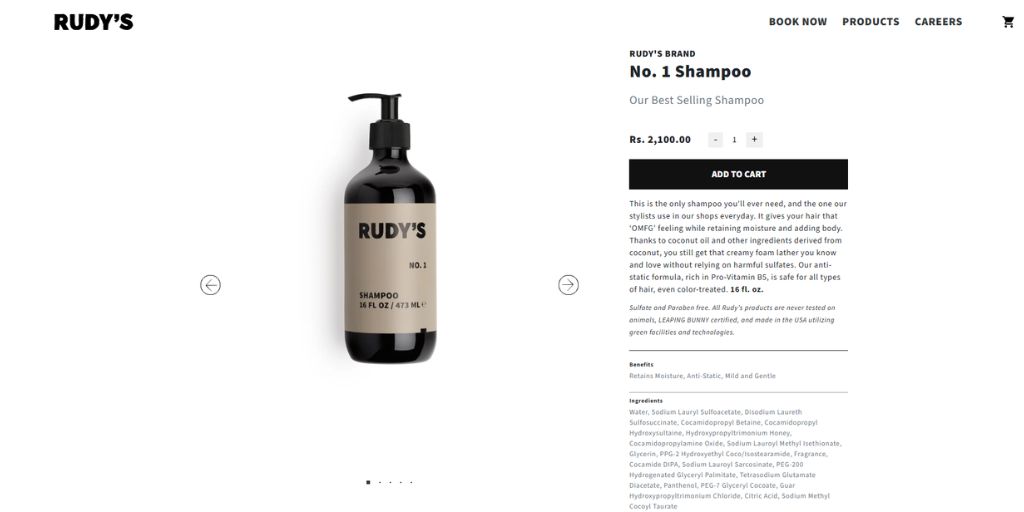
The plain white product photography backdrop largely still remains undefeated for conversion-focused eCommerce imagery.
It’s timeless, platform-friendly, and conversion-focused. Amazon, Walmart, and most major marketplaces mandate white backgrounds for primary product images.
And with the introduction of new ways of searching, via AI-powered visual search, pure white backgrounds allow you to tell more about the product visibly in the image.
For 2026, you can also try using subtle lighting variations. Like slightly overexposed for ethereal beauty products, harder shadows for tool and hardware photography.
2. Monochromatic

Monochromatic product photography backgrounds create depth without distraction. They use varying shades of a single color where they match backdrop colors to the product tones.
This approach works exceptionally well for brands that want to showcase variation as well as grab attention.
Here, you can think of a skincare brand with a product photography backdrop that matches the scented ingredients within the product.
The psychology behind monochromatic backgrounds is compelling. Studies show color-coordinated product imagery increases brand recall by 80%.
Also, it is important that the background and product aren’t too similar. This can make the product or its edges vanish. You must maintain a 20-30% tonal difference between product and background to preserve definition.
3. Gradient Background
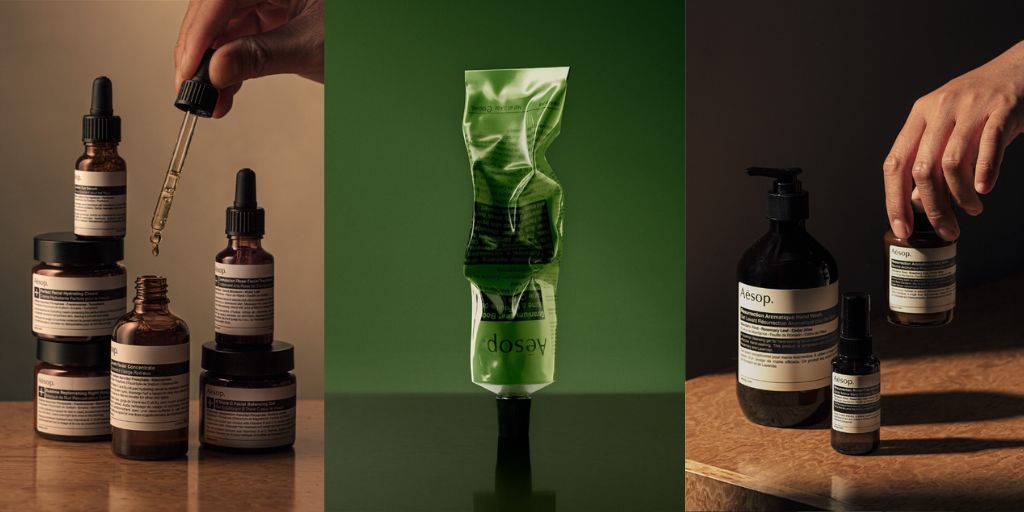
Gradient product photography backgrounds are clean, subtle, and aesthetically very pleasing in 2026. Brands are embracing color gradients that align with brand palettes and showcase the product in the moment.
Gradient backdrops work particularly well for products with complex shapes or transparent elements.
You can create gradient effects using two-light setups with colored gels, gradient seamless paper, or with AI, which can be added to the background in post-production.
4. Textured surfaces
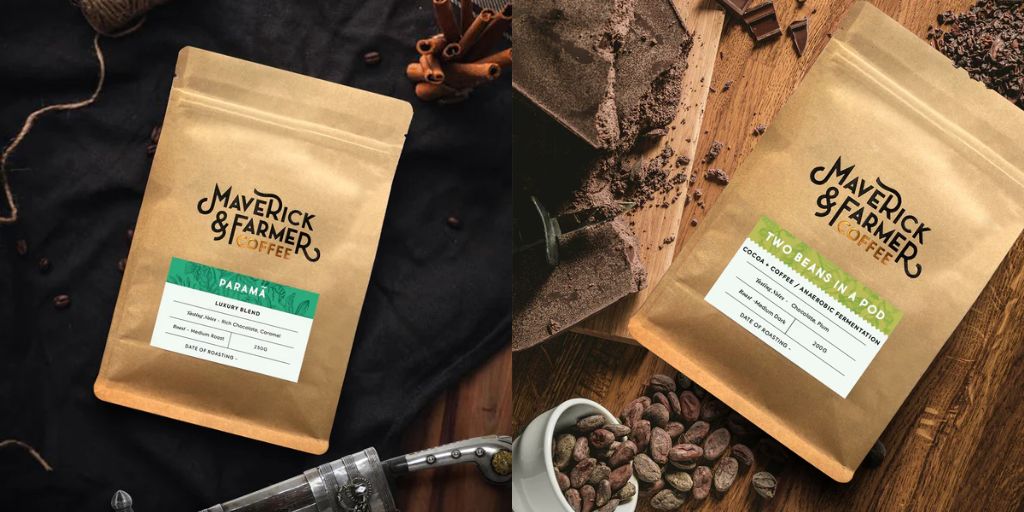
Textured product photography backgrounds resonate with the sense of touch. For online shoppers, it adds depth to the image and gives a sense of organic imperfection and authenticity to the scene.
This backdrop works particularly well for skincare, jewelry, and home decor products. Also, an important decision here would be the choice of material you use.
For jewelry, velvet or silk creates luxury associations. For outdoor gear, slate or granite reinforces durability messaging.
Food brands particularly benefit from textured backdrops. Artisanal bread on worn cutting boards, craft coffee on raw wood, or organic skincare on stone surfaces.
Statistics show that products on contextually relevant textured backgrounds see 34% longer engagement time compared to plain backgrounds. Hence, make the decision wisely.
5. Lifestyle-inspired
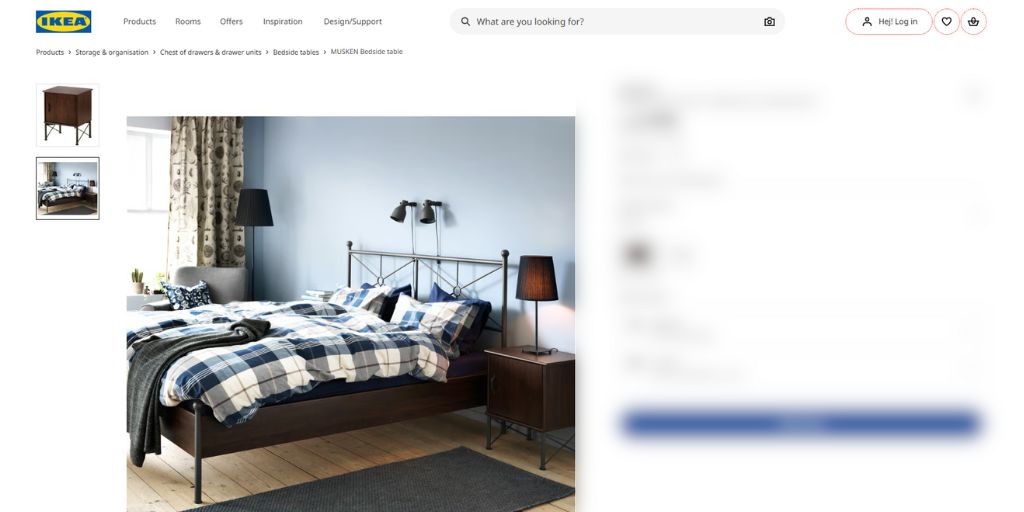
Lifestyle-inspired product photography backgrounds place products in realistic environments. Instead of showing what a product is, these backgrounds show how it’s used.
With social media in the picture, almost all brands are heavily investing in lifestyle product photography. It connects with the customer and shows them exactly how the product will fit into their lives.
And this is true for a dress they are interested in buying for a party, as well as a kitchen counter they are considering for a new house.
6. Seasonal
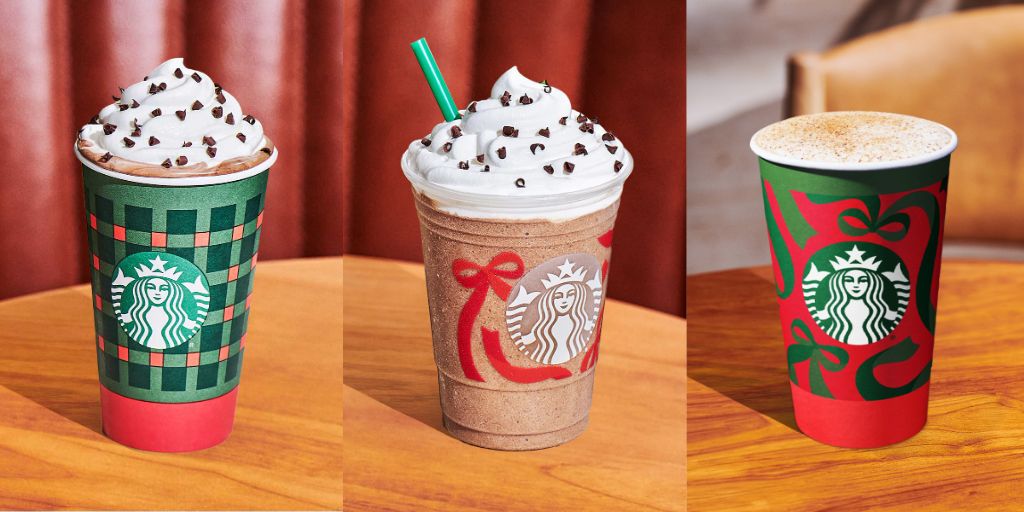
Seasonal product photography backdrops are usually used in marketing campaigns for the brands. It capitalises on temporal shopping psychology, where it is perceived that it is the right time to buy this product.
Retailers rotating seasonal backgrounds see average increases of 30% in click-through rates compared to evergreen imagery.
And now with the integration of AI in the workflow, both time and cost can be saved by brands. In 2026, you can plan for subtle seasonality wins in your product backdrops.
Think of a product in warm ochre tone during autumn, and using a slight blueish tone during winter. Much better than using leaves or snowflakes.
7. Bold patterns

Using Bold pattern product photography backgrounds always makes a statement. That is why it is important to understand the creative vision very clearly.
Using patterns can make a product pop. But they can also steal the attention of the viewer.
But when used cautiously, Bold patterns for product photography backgrounds make your brand stand apart from the crowd.
To keep it simple, follow the rule for patterns: products must pop through contrast. Light products on dark patterns, dark products on light patterns.
You must also use shallow depth of field to soften background patterns into textural suggestions rather than having competing focal points.
This will help you create a bold presentation while still keeping the focus of shoppers on your product.
8. Nature-themed
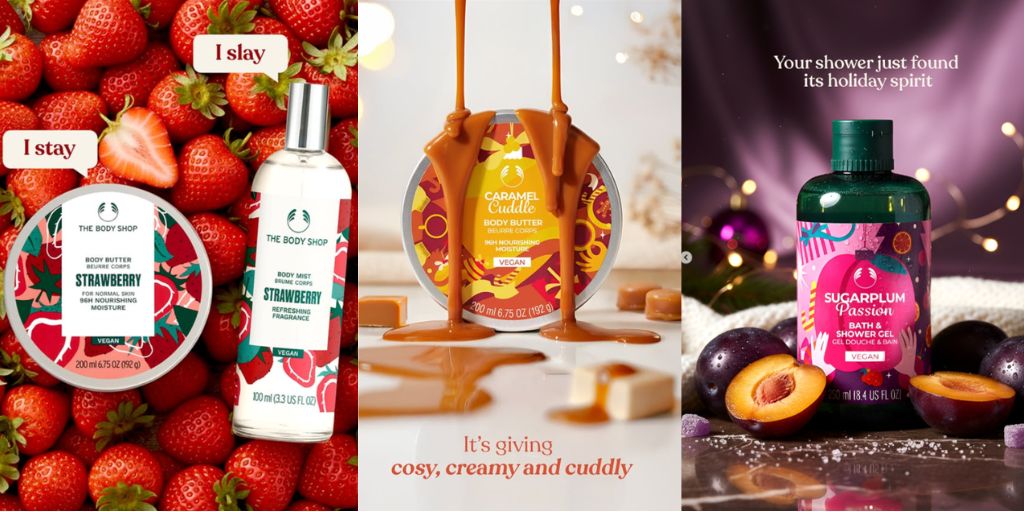
Nature-themed product photography backdrops tap into sustainability trends. Products positioned against moss, leaves, or wood grain automatically inherit “natural” associations.
For 2026, hybrid approaches work best. Real botanicals for hero shots and AI-enhanced nature backgrounds for volume content.
At the same time, it is also important that you use these themes mindfully. Associating your product with sustainability will grab attention. If not proven true, using these images can be perceived as false advertising.
9. Branded designs
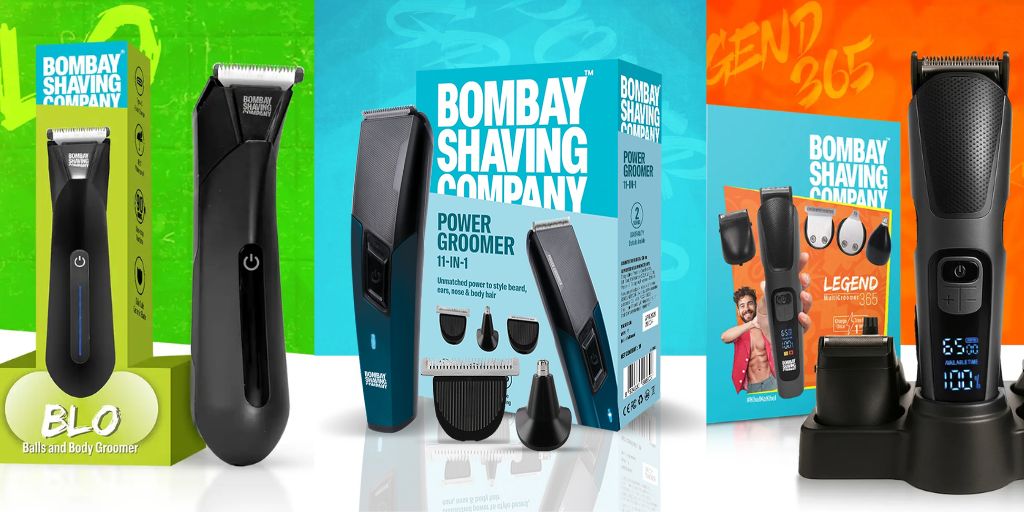
Branded design product photography backdrops transform backgrounds into brand assets. When customers see these distinctive backdrops, they immediately recognize your brand.
This trend is similar to brands shifting from logo-based brand identity to overall packaging-based identity.
For smaller brands, they can achieve similar effects through a consistent backdrop used over time.
This backdrop strategy particularly benefits direct-to-consumer brands building recognition across owned channels where marketplace restrictions don’t apply.
Conclusion
When you are choosing a product photography background in 2026, you have to balance identity with compliance and brand messaging with presentation.
Especially for owned channels like your store and social media, these backdrops play a critical role in making your products stand out.
The most successful brands treat backgrounds as strategic brand assets, not afterthoughts. They understand that consistent, thoughtfully chosen product photography backdrops build recognition and ultimately drive conversions.
Whether you’re investing in physical backdrop materials or exploring AI-generated options, choose backgrounds that serve your products, reflect your brand, and adapt to wherever your customers discover your products.
Frequently Asked Questions
What are some popular types of photography backdrops?
The most popular product photography backdrop types include seamless paper, muslin fabric for textured looks, vinyl for durability and easy cleaning, and AI-generated digital backgrounds. Professional photographers typically maintain white, black, and gray seamless paper as foundational options.
How do I pick the best backdrop color for my photos?
Choose backdrop colors based on product type, marketplace requirements, and brand identity. For primary eCommerce images, white product photography backgrounds maximize conversion and meet marketplace standards. For lifestyle content, you can select colors that complement product tones.
Can you recommend durable materials for photography backdrops?
Canvas-backed vinyl delivers the best durability for high-volume product photography. These product photography backdrops withstand repeated use, clean easily with damp cloths, resist wrinkles, and last for years with proper storage.
What should I consider when purchasing a backdrop stand?
Backdrop stands must support your chosen product photography backdrop dimensions and weight. For seamless paper rolls, ensure stands accommodate roll widths and hold 30+ pounds safely. Portable stand kits work for location shoots but sacrifice stability. Always purchase stands rated above your actual backdrop weight for safety margins.
Are there any preferred backdrops for professional photography?
Professional photographers favor seamless paper product photography backgrounds for studio work due to matte finish, clean curves, and easy replacement when damaged. Savage Universal, Westcott, and Backdrop Outlet represent industry-standard brands.
How can I effectively use photography background sheets to enhance my images?
Photography background sheets enhance images by controlling visual context and directing viewer’s attention. Position products in the first third of the background sheet’s sweep to maximize the seamless infinity curve effect. For product photography backgrounds with gradients or patterns, position key product features against the backdrop’s smoothest or lightest areas to maintain clarity and ensure products remain the undisputed visual focus.